
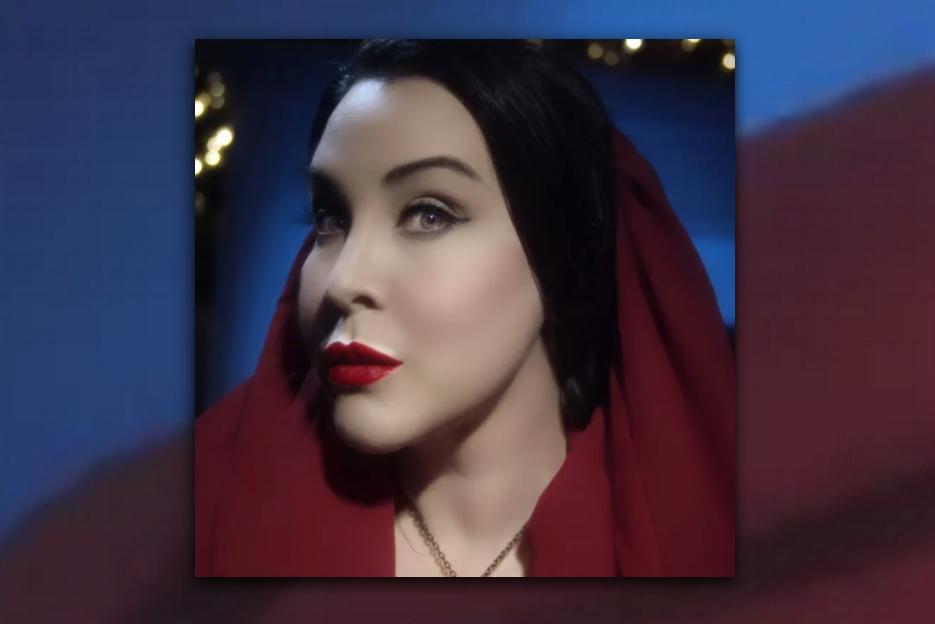
Some songs establish their impact through immediate intensity. Others depend on the careful management of sound, using changes in texture and vocal delivery to build an emotional response over time. SAVARRE’s “Art of the Bleed” belongs to the latter approach, creating a musical environment in which tension develops through arrangement as much as through performance.
At the center of the track is Shannon Denise Evans, who performs as SAVARRE. Her voice acts as a guide through the song’s changing atmosphere, moving between more measured passages and moments of heightened urgency. Rather than maintaining one emotional register throughout, the performance changes with the material, allowing the listener to hear different degrees of resistance, uncertainty, and release.
The instrumental arrangement supports those shifts. Guitar, bass, and drums establish the song’s foundation, providing a physical presence without requiring every section to become louder or more crowded. This balance is important to the track’s character. The instruments do not compete with the vocal; instead, they give it a framework within which the lyrics can remain central.
Ad
Keyboard and synthesizer elements introduce additional color. Dylan Glatthorn’s Rhodes and synth work contributes texture, while the synth programming adds another dimension to the overall sound. Alex Venguer’s production, developed in collaboration with Evans and Glatthorn, brings these parts together in a way that emphasizes atmosphere while retaining the weight of the rhythm section.
The result is a composition that rewards attention to detail. A listener can follow the primary vocal line and still notice how the supporting instruments influence the mood around it. Small changes in density and intensity help shape the song’s direction, allowing the emotional stakes to grow without depending entirely on a dramatic shift in tempo or an oversized climax.
The subject of “Art of the Bleed” gives those production choices a clear purpose. Evans has connected the song to themes of grief, death, and rebirth, ideas that require room for contradiction. There is no simple progression from difficulty to resolution. Instead, the track allows moments of control and vulnerability to exist side by side.
That complexity is especially apparent in the vocal arrangement. Layering adds depth to the performance, but the lead retains its expressive role. When Evans increases the intensity of her delivery, the music supports the change rather than distracting from it. The performance feels connected to the song’s subject, with each shift contributing to the larger emotional picture.
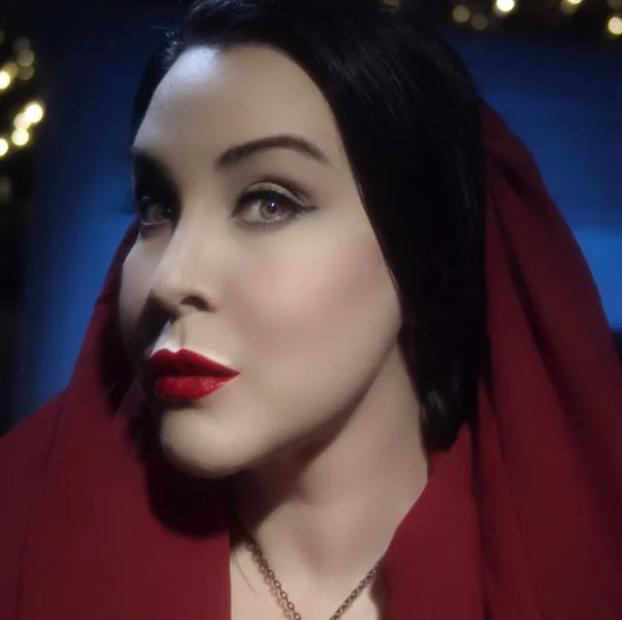
Evans’ work as a filmmaker and playwright offers another way to understand the track’s structure. Like a carefully arranged scene, the song depends on timing, emphasis, and the relationship between what is prominent and what remains in the background. Its development is not only a matter of progression; it is also a matter of deciding when to hold back.
“Art of the Bleed” demonstrates how production can deepen a song’s meaning without making the process itself the main attraction. Its sound serves the emotional material, giving the listener a clear path through a composition that remains unsettled in deliberate ways.
Check the links below, discover more about SAVARRE’s music, and remember to add “Art of the Bleed” to your favorite playlists!
Ad


